What’s Covered in Commercial Pest Control in Mississauga?
If you manage or own a commercial property in the city, pest control Mississauga is typically about far more than spraying and leaving. A proper commercial pest control program is built around site inspection, ongoing monitoring, control measures, exclusion, sanitation support, and continued prevention. For Mississauga businesses, that matters because pest pressure is shaped by the local mix of shopping plazas, office buildings, warehouses, and food-service businesses, plus the wider Peel Region and GTA environment.
Commercial sites in Mississauga often face recurring issues from rodents, cockroaches, ants, flies, and occasionally bed bugs. Businesses in industrial corridors, logistics hubs, and loading-dock-heavy facilities deal with unique risks than a storefront in a plaza or a professional office tower. That is why the right mississauga pest control service should be effective, properly recorded, and tailored to the property type.
Which commercial pest control includes in Mississauga
At its core, commercial pest control is a managed process, not a single visit. A provider should begin with a detailed inspection, then set up monitoring tools, recommend IPM or IPM steps, and apply treatment only where needed. The goal is to reduce pest activity while also addressing the conditions that let pests return.
In Mississauga, that usually means assessing the property layout, nearby businesses, waste handling, storage practices, and seasonal pest trends. Good service should also include documentation for the owner, property manager, or operations team. For regulated industries, that reporting can support compliance and internal audits.
A strong program typically includes:
- Initial and recurring site inspection
- Monitoring for pest activity and trends
- Treatment for active infestations
- Exclusion and sealing recommendations
- Sanitation guidance where needed
- Follow-up visits and progress checks
- Clear reporting and service records
When businesses search for pest control near me, they are usually looking for a provider that can respond quickly and tailor service to the realities of a working commercial property, not a generic residential approach.
Initial assessment: what technicians check for
The inspection is a basis of efficient pest management. During an initial visit, technicians look for indications of current pest activity, possible pathways into the building, and conditions that create pest-friendly hiding places or food sources. Here the provider identifies the root cause instead of just treating the symptom.
Key things a technician should check include entry points, such as gaps around doors, utility penetrations, loading bays, vents, baseboards, and cracks in foundations or walls. In Mississauga’s industrial parks and warehouse districts, dock doors, overhead doors, shared walls, and service lines can all create access points for rodents and insects.
Technicians also look for harborage, which means sheltered areas where pests can nest, breed, or remain hidden. This may include cluttered storage rooms, cardboard piles, unused equipment, ceiling voids, false walls, drain areas, or waste holding zones. In food-service businesses, grease buildup and poorly managed dry storage can become major attractants.
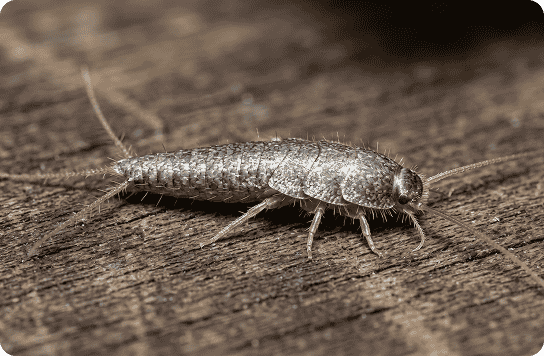
Sanitation is a further major focus. Technicians assess whether waste bins are sealed, how often garbage is removed, whether spills are cleaned quickly, and how food and stock are stored. In many cases, sanitation issues do not directly cause an infestation, but they can make the property much more attractive to pests.
At the end, the inspection is meant to confirm whether there is an active infestation or signs that one is developing. That can include droppings, gnaw marks, grease trails, shed skins, nesting material, live or dead insects, and unusual odor. A detailed inspection should end with a practical service plan based on the specific pest pressure at the site.
Control services for frequent commercial pests
The approach should align with the pest, the property, and the level of activity. Mississauga businesses often need help with rodents, cockroaches, flies, ants, wasps, and at times bed bugs, particularly in shared commercial or multi-tenant spaces.
Rodent control is one of the most requested services. For mice control Mississauga businesses often need a blend of bait stations, traps, entry-point sealing, and sanitation corrections. Rodent activity is especially common near food storage, waste areas, delivery entrances, and mechanical rooms. In warehouse and logistics sites, the challenge is often less about one obvious nest and more about repeated movement along walls, docks, and service corridors.
Cockroach control is another essential service in restaurants, cafeterias, convenience stores, and buildings with shared plumbing or food waste. Treatment may involve focused products, gel baits, crack-and-crevice applications, and ongoing monitoring. Cockroaches are challenging because they reproduce quickly and can hide in very small spaces, so technicians need to know where the activity is concentrated.
Bed bug treatment is rarer in traditional industrial settings but can still appear in offices, waiting rooms, furnished suites, staff change rooms, and hospitality-related properties. For businesses, discretion matters, because a visible pest issue can affect customer confidence and staff morale. Bed bug service usually requires careful inspection, repeat visits, and a targeted treatment strategy.
Depending on the site, treatment may also involve ants, flies, wasps, stored-product pests, and occasional wildlife-related pest pressures. A good provider will explain what is being treated, why the product or method was chosen, and what the business should do before and after service.
Avoidance and exclusion work
The greatest long-term part of pest management is not the treatment itself but the prevention work that reduces future problems. This is where exclusion comes in. Exclusion means physically blocking pest access by sealing gaps, repairing screens, installing door sweeps, closing penetrations, and improving the building envelope.
In Mississauga’s commercial areas, exclusion is especially important around loading docks, service entrances, utility rooms, and shared walls. If rodents can move between units or enter from exterior landscaped areas, treatment alone will not solve the problem. The same is true for insects that travel through utility chases or plumbing voids.
Technicians may also place or check bait stations and traps as part of a prevention plan. These tools are not just for catching pests; they help track activity patterns and measure whether the control program is working. In a well-run IPM program, bait and traps are part of a broader strategy, not the only strategy.
Preventive maintenance can include recommendations for repairs, storage changes, waste management improvements, and landscaping adjustments. For example, moving garbage farther from doors, eliminating standing water, improving stock rotation, and reducing clutter can all lower pest pressure. Over time, these small changes often make a bigger difference than repeated emergency treatments.
Follow-up visits, monitoring, and documentation
Industrial pest control should not end after the first treatment. Follow-up visits are essential for checking whether activity is dropping, whether bait stations or traps need service, and whether new signs of pest movement have appeared. Many businesses in Mississauga need recurring service because pest pressure can change with seasons, deliveries, waste handling, and neighbouring properties.
Tracking is a key part of the ongoing process. This may include checking glue boards, inspecting bait stations, reviewing trap counts, and looking for new access points or sanitation issues. Monitoring tells the provider whether the plan is effective and whether additional steps are needed.
Record-keeping should be clear, dated, and useful. Good reports usually note the pest observed, the areas inspected, the findings, the treatment used, and the next steps. This is important for compliance, especially for food service, property management, and shared commercial buildings where records may be reviewed internally or by auditors.
Businesses should expect a provider to outline what happened, what was found, and what the next visit will cover. If a company offers no real reporting, that is often a sign the service is not built for commercial needs.
How much does commercial pest control run in Mississauga
pest control Mississauga cost depends on the size of the commercial property, the pest involved, the urgency of the problem, and whether the work is one-time or part of an ongoing service plan. An inspection is usually the first step in pricing because it helps determine how much monitoring, treatment, and prevention work will be needed.
For instance, a small retail unit with a minor issue will usually cost less than a warehouse with repeated rodent activity, multiple loading docks, and shared walls. Food-service sites may also be pricier because they often need more detailed documentation, more frequent visits, and stronger sanitation support.
Pricing can vary based on whether the provider is doing urgent service, follow-up treatments, exclusion work, or ongoing inspections. The most reliable way to understand cost is to ask what is included: initial inspection, trap servicing, bait station checks, treatment applications, reporting, and any return visits.
When comparing quotes, business owners should look past the monthly number. A lower price may leave out key elements like exclusion, reporting, or monitoring. A better value is often a service plan that targets the cause of the issue and minimizes future disruptions.
Choosing a nearby provider: which factors to compare
Many businesses start by searching pest control near me, then compare companies by response time, range of services, and reputation. That is a good approach, but the details matter. The best pest control Mississauga provider for a retail plaza may not be the same one that is best for a warehouse or office tower.
Look at pest control Mississauga reviews for clues about reliability, communication, follow-up, and how the company handles recurring issues. Reviews can help you see whether a provider is known for discretion, fast response, and detailed reporting. For a business, that can matter almost as much as the treatment itself.
It is also reasonable to compare local names you may come across, such as ar pest control mississauga, pestend pest control mississauga, abell pest control mississauga, and abell pest control. The point is not the brand name alone, but whether the provider offers commercial-grade service, understands your building type, and provides clear documentation.
Consider these questions before booking:
- Do they provide commercial inspections and written reports?
- Do they include monitoring and follow-up visits?
- Can they describe their IPM approach?
- Do they offer rodent control, cockroach control, and bed bug treatment if needed?
- Will they help with exclusion and preventive maintenance?
- Are they familiar with Mississauga commercial sites and local pest pressure?
If you are comparing companies across the region, you may also notice searches for pest control Toronto, pest control Brampton, or pest control Scarborough. That is because businesses in the GTA often compare providers across nearby cities before choosing. It is common to see people researching best pest control Toronto, pest control Toronto mice, pest control Toronto bed bugs, and pest control Toronto cost when they are benchmarking options, just as they may look at pest control Brampton prices or abell pest control Brampton for comparison. Even ar pest control reviews may come up during that broader search process.
Mosquito Man MississaugaPlaza 3, 2000 Argentia Rd Ste 400, Mississauga, ON L5N 1V9, Canada
+1 705-230-6577
https://maps.app.goo.gl/1uX4a5KCEf9RgE8t5
https://mosquitoman.ca/pest-control/mississauga/
43.5985085, -79.7411710
Mississauga-specific pest risks for businesses
Mississauga has a unique commercial profile. Among its retail plazas, office buildings, warehouses, and food-service businesses, the city creates plenty of conditions for pest activity. The risk is higher in Peel Region because pest pressure can extend across connected commercial corridors linking Mississauga, Brampton, Toronto, and Scarborough. What happens in one part of the GTA can affect nearby properties through deliveries, waste movement, shared structures, and dense business activity.
Industrial and logistics and logistics areas in Mississauga need special attention. Large logistics facilities often have dock areas, regular truck traffic, exterior waste https://www.google.com/search?kgmid=/g/11m6nrqfh2 zones, and multiple access points. These conditions can cause ideal movement routes for rodents and insects. Common walls and adjoining units can also make a tenant’s pest issue visible in another tenant’s space.
For many property supervisors, this means protection should be consistent, not responsive. A good pest control program needs to consider the building, the tenants, the surrounding businesses, and seasonal pressure. For that reason local experience matters so much when choosing mississauga pest control.
Food service, warehouses, offices, and stores
Food service sites need strict hygiene, regular oversight, and prompt action for any sign of rats and mice or insects. Food venues, cafés, commissaries, and food courts are particularly sensitive because a small issue can become an noticeable customer-facing problem very fast. In these environments, rodent management is often paired with frequent checks, waste management review, and secure storage methods.
Storage facilities encounter distinct concerns. Product storage, high ceilings, dock activity, and extended outer walls can make pest detection tougher. Retail stores often need discreet service because customers and staff are around during business hours. Offices may have fewer food sources, but shared kitchens, storage rooms, and building envelopes can still lure pests. In all of these environments, prevention and monitoring are usually more essential than emergency treatment alone.
When you may need emergency service
You may require rapid help if you see an active infestation, ongoing rodent sightings, droppings in customer areas, cockroach activity near food prep zones, or insects showing up in multiple parts of the building. Emergency service is also often needed after hours, before inspections, or when a tenant, customer, or staff member has reported a serious issue.
In these cases, strong follow-up visits matter because one treatment rarely solves a commercial problem by itself. Businesses should also expect discretion. Providers should work in a way that protects your reputation, reduces disruption, and keeps service as discreet as possible.
Questions businesses ask before booking
Before they book, many owners and property managers still want a simple answer to a few practical questions. If you are searching pest control near me, it helps to ask whether the company has a recurring service plan, what the initial inspection includes, and how reporting is handled after each visit.
It is also worth asking whether the provider handles your exact type of site. A company that understands food-service, warehouse, office, and retail environments will usually give more useful guidance than one that treats every job the same way. In commercial work, the difference is often in the details: monitoring frequency, documentation quality, exclusion recommendations, and the ability to adapt the plan as conditions change.
For Mississauga businesses, the best choice is usually a provider that understands local pest pressure, communicates clearly, and can support ongoing prevention rather than just one-time treatment.
FAQ
What is included in commercial pest control in Mississauga?
Commercial pest control in Mississauga usually includes an inspection, monitoring, treatment for active pests, exclusion recommendations, sanitation guidance, follow-up visits, and reporting. A good program uses IPM to reduce pest activity while preventing future issues in the commercial property.
How often should a commercial property set up pest control service?
That depends on the property type and pest risk. Food service sites and busy commercial properties often need once a month or every two months monitoring, while some offices or low-risk sites may need less frequent service. The right schedule is based on the initial inspection and the level of activity found.
How much does commercial pest control cost in Mississauga?
pest control Mississauga cost varies by property size, pest type, urgency, and whether the service is an individual service or part of a service plan. A compact office with minor activity will usually cost less than a warehouse or restaurant with recurring issues. Confirm what comes with the inspection, monitoring, and reporting before comparing prices.
Does commercial pest control include mice control and prevention?
Yes. Mice control Mississauga services typically include rodent control, bait stations, traps, monitoring, exclusion, and preventive maintenance. For businesses, prevention is as important as removing the current infestation, especially in warehouses, loading docks, and shared commercial buildings.
How do I choose the best pest control Mississauga company?
Evaluate commercial experience, reviews, reporting quality, response times, and whether the provider offers monitoring and exclusion, not just treatment. Checking pest control Mississauga reviews and asking about service plans can help you find the best pest control Mississauga option for your property. It also helps to choose a company familiar with local business environments and the broader GTA pest pressure.